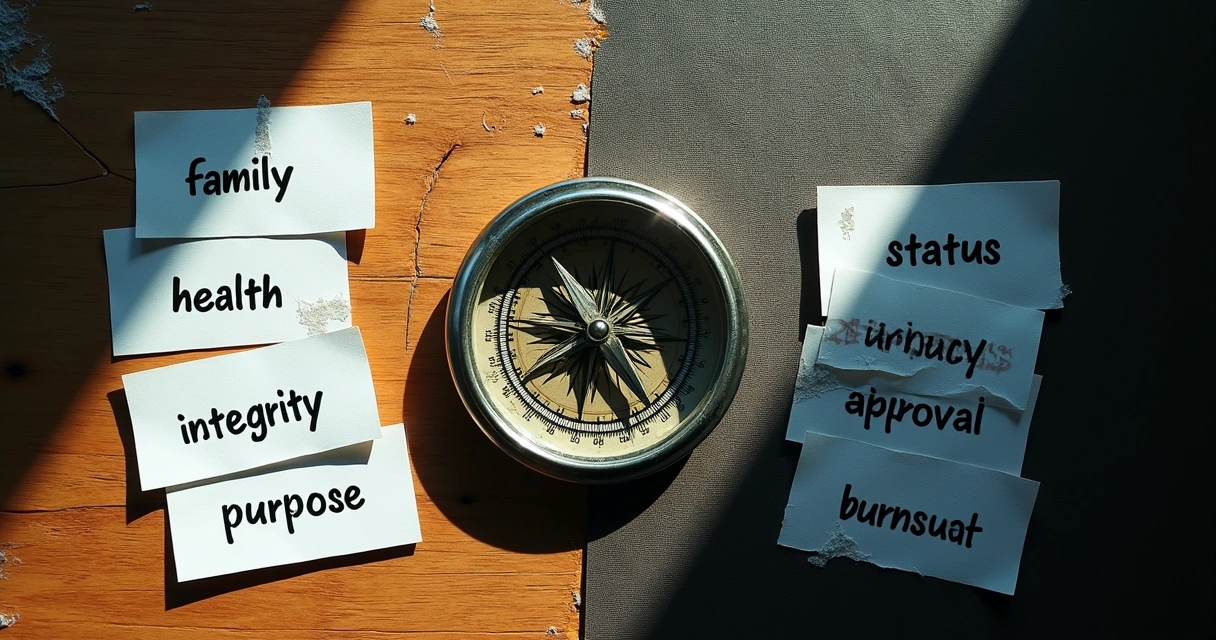


Many personal relationships suffer not because people do not care, but because they do not know how to speak honestly without causing distance. We have seen this in couples, friendships, family ties, and even in close teams built on affection. Silence grows. Assumptions take over. Small hurts turn into fixed patterns.
A feedback culture in personal relationships means making honest, respectful conversation a normal part of connection.
That sounds simple. In real life, it rarely is. Most of us were not taught how to say, “This hurt me,” or, “I need something different from you,” in a calm and clear way. We were taught to avoid conflict, defend ourselves fast, or wait until frustration explodes.
We think a healthy relationship does not avoid discomfort. It learns how to hold it. Feedback is one of the clearest ways to do that, because it brings hidden experience into the open. It gives the relationship a chance to adjust before resentment becomes its language.
Why feedback changes the quality of a relationship
When feedback becomes normal, people stop guessing so much. They no longer need to interpret every silence, every delay, or every shift in tone as a threat. There is more clarity, and clarity reduces emotional noise.
We once heard a person say that the hardest part of their friendship was not a single conflict. It was never knowing when something was wrong. That sentence stayed with us. Uncertainty drains trust. Honest feedback restores direction.
Clarity protects connection.
Feedback also helps us see our impact. Many times, our intention is good, but our effect is painful. Without feedback, we keep repeating actions that hurt the bond. With feedback, we gain a real chance to grow.
A strong feedback culture tends to create:
- Less stored resentment
- More emotional safety
- Better repair after conflict
- More mature boundaries
- Greater trust over time
None of this happens in one conversation. It forms through repeated acts of honesty, care, and self-regulation.
Start with the emotional ground
Before people can exchange feedback well, they need a base of safety. If every honest comment turns into blame, withdrawal, or punishment, no culture will form. People will protect themselves instead.
Feedback works best when both people feel respected, even in moments of tension.
That means we need to watch our state before we speak. Are we trying to understand, or are we trying to win? Are we speaking from present reality, or from a pile of old frustrations? A rushed reaction can ruin a needed conversation.
We suggest building a few shared agreements early:
- We speak about behavior, not identity.
- We pause if emotions rise too high.
- We do not mock, threaten, or shut down the talk.
- We ask questions before making conclusions.
- We return to the conversation if a pause is needed.
These agreements may sound basic, yet they change the tone of a relationship. They tell both people, “We can tell the truth here, and we will still treat each other with dignity.”

How to give feedback that can be heard
Good feedback is direct, but not harsh. It is honest, but not careless. We have found that people listen better when they do not feel attacked from the first sentence.
One practical way is to keep feedback tied to three parts:
- What happened
- How it affected us
- What we need going forward
For example, instead of saying, “You never care about my time,” we can say, “When you arrived very late without a message, I felt dismissed. Next time, I need a warning if plans change.” The second version is clearer and easier to respond to.
This does not mean making our words soft enough to hide the truth. It means making them accurate. Accuracy lowers confusion.
When giving feedback, it helps to avoid:
- Absolute words like “always” and “never”
- Mind reading about motives
- Bringing ten old issues into one talk
- Giving feedback in public or in a rushed moment
- Using feedback as a disguised form of punishment
The goal of feedback is not to release tension. It is to create understanding and support change.
Sometimes the timing matters more than the wording. A tired person, a crowded room, or an unresolved argument may not hold a useful conversation. Waiting for a steadier moment is not avoidance if the issue is still addressed.
How to receive feedback without closing off
Receiving feedback may be harder than giving it. Many of us hear correction as rejection. We tense up, explain too much, or defend our character when only our behavior is being discussed.
We think one inner shift helps a lot: feedback is not always an accusation. Often, it is data about our impact. That difference changes how we listen.
When someone gives us feedback, we can try to:
- Listen fully before replying
- Breathe and slow the first reaction
- Ask for an example if the point feels vague
- Repeat back what we understood
- Own what is true without adding drama
This does not mean agreeing with every word. Some feedback may be unfair, unclear, or shaped by the other person’s own pain. Still, listening first keeps the exchange from breaking down too fast.
A simple answer can be powerful: “I can see how that affected you.” Not flashy. Just mature.

Make feedback a rhythm, not a crisis tool
One common mistake is waiting until something becomes unbearable. Then feedback arrives loaded with weeks or months of stored emotion. At that point, the message may be valid, but the delivery often comes too late to land well.
A real feedback culture is built in small moments. A quick check-in after tension. A kind correction after a misunderstanding. A calm conversation before distance grows.
We have seen relationships improve when people create simple habits such as monthly check-ins, end-of-week reflections, or one question asked after a hard moment: “Is there anything we need to clear?” Small rituals reduce fear because honesty becomes familiar.
This rhythm also makes positive feedback part of the culture. Not only “this hurt me,” but also “this helped me,” and “I felt supported when you did that.” People open more when they know feedback is not only about flaws.
Conclusion
To create a feedback culture in personal relationships, we need more than communication tips. We need maturity, restraint, and the courage to stay present when honesty feels uncomfortable. This kind of culture grows when truth is spoken with respect and heard without instant defense.
It is not about making every conversation heavy. It is about making the relationship real. Over time, that reality builds trust, because both people know that silence will not be used as a hiding place.
If we want deeper relationships, we cannot depend only on good intention. We need practice. We need language. We need a shared commitment to repair, adjust, and keep learning how our actions affect each other.
Honesty without care wounds. Care without honesty weakens.
Frequently asked questions
What is a feedback culture in relationships?
A feedback culture in relationships is a shared habit of speaking honestly, listening with respect, and adjusting behavior when needed. It makes open conversation normal instead of rare. In this kind of culture, people do not wait for damage to build before they talk.
How to give feedback without hurting feelings?
Give feedback in a calm moment, focus on one clear behavior, explain its impact, and state what you need next time. Use respectful words and avoid attacks on the other person’s character. Honest feedback may still feel uncomfortable, but it does not need to become cruel.
Why is feedback important in relationships?
Feedback is important because it reduces guessing, prevents resentment, and helps both people understand their impact. It gives the relationship a way to correct itself before distance grows. Without feedback, many problems stay hidden until they become much harder to repair.
What are the best ways to receive feedback?
The best ways to receive feedback are to listen fully, regulate your first reaction, ask for clarity, and separate behavior from identity. It also helps to admit what is true without collapsing into guilt or jumping into defense. This creates space for learning instead of conflict.
How can I start honest conversations?
You can start honest conversations by choosing a good moment and using a simple opening such as, “I want to talk about something that matters to me.” Speak clearly, stay with the present issue, and show that your aim is understanding, not control. A steady tone often opens the door better than a perfect sentence.