

We live in a time when we can reach someone in seconds. Our notifications buzz all day. Social platforms pull us into constant sharing and scrolling. Even family group chats rarely sleep. But with all this access, a growing question appears: Is our desire to stay connected actually driving us further apart?
What does overconnectedness really look like?
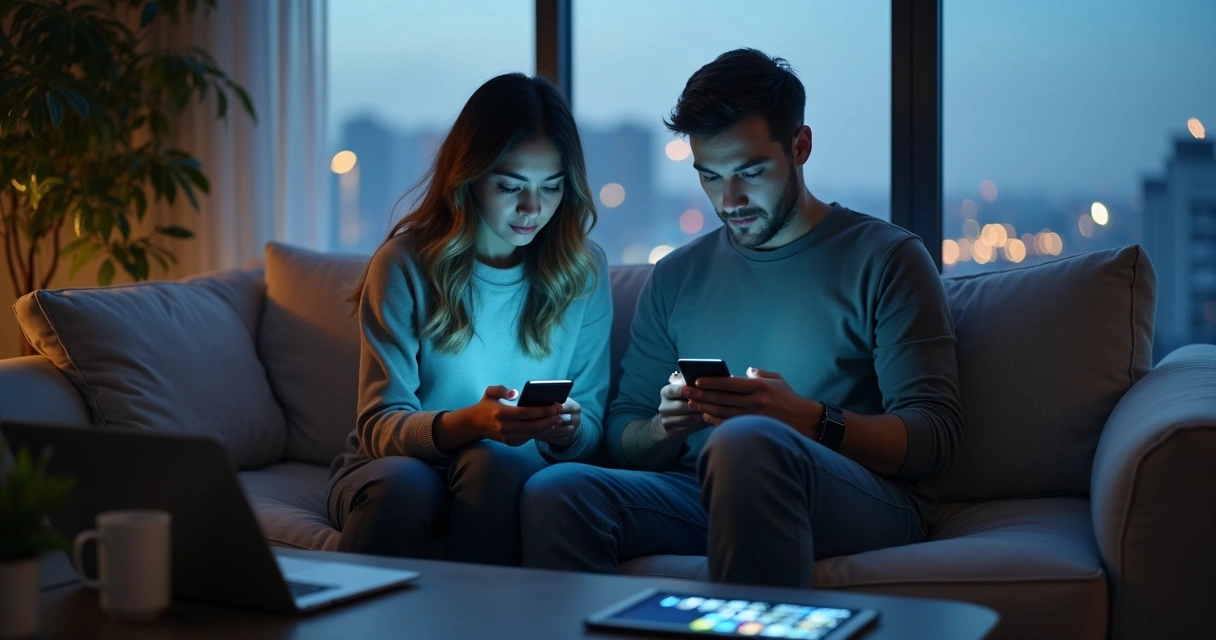
Overconnectedness is not just about how much we use our devices, but about how we use them. It happens when our digital presence overtakes our presence with the people right in front of us. We see it when a couple sits together at dinner, barely glancing away from their screens. Or when family time means everyone in one room, each absorbed in their phone.
A 2020 Pew Research Center survey found that over half of Americans in a romantic relationship said their partner is at least sometimes distracted by their cellphone when they are trying to have a conversation. This is not a rare occurrence—it's become part of everyday life for many of us (Pew Research Center).
Is your phone taking your attention away from the people who matter?
It’s worth asking. These moments of distraction add up. Over time, they shape the tone and health of our relationships.
Why do we stay so connected?
We think of technology as a bridge, not a barrier. Many of us turn to our devices to feel included, needed, up-to-date. Replying instantly, posting often, joining group chats—we do this to fuel a sense of belonging.
There’s nothing wrong with wanting to be close to others. But it gets tricky when our connection habits become automatic, even impulsive. The pressure to reply quickly or check every notification builds. Before we realize it, we are trading meaningful conversations for quick "likes" and short messages.
Sometimes, we even escape into screens to avoid difficult feelings or silence. But the relief is temporary. The cost is depth and presence in the relationships we value most.
The hidden costs of always being online
It’s easy to believe a quick text or an online thread can’t really hurt anything. But, research has begun to draw a link between too much technology and lower relationship satisfaction.
- In a 2014 Pew Research Center study, 25% of married or partnered adults felt their spouse or partner was distracted by their cell phone when they were together.
- 8% had argued about the amount of time one of them spent online.
- A Utah State University study revealed that 70% of families said technology interrupts family time at least occasionally (Utah State University).
- Penn State University researchers found that higher levels of "technoference" lead to more frequent conflict, lower relationship satisfaction, and higher levels of anxiety and depression (Penn State University).
Technology is meant to connect us, but used unthinkingly, it can breed resentment, frustration, and emotional distance.

How does overconnectedness impact relationships?
Less quality time, more surface talk
We might sit with our partner, our children, or our friends, but our full attention is elsewhere. The result is less genuine conversation and more chatter about memes, posts, or things happening far from our actual lives. Small distractions chip away at the sense of intimacy and depth in a relationship.
More conflict, less patience
When people feel ignored or pushed aside by a screen, irritation grows. Arguments about device usage are now common in both couples and families. Over time, frequent "technoference" leaves everyone feeling unappreciated or invisible (Psychology of Popular Media Culture).
Fragmented emotional connection
We might know what our contacts ate for breakfast, but not how our own partner is feeling. Bits of information replace deep sharing. The emotional pulse of our relationships weakens when our attention is always split.
Closeness fades when presence disappears.
Recognizing the signs: Is your relationship at risk?
Sometimes, the signs of overconnectedness sneak up on us. They often look like:
- Feeling irritated when your partner asks for your attention while you’re on your phone.
- Checking notifications during meals or conversations.
- Arguing about screen time or how much time is spent online.
- A sense of missing out, even during in-person interactions.
- Noticing less meaningful conversations with those closest to you.
If any of these feel familiar, it might be time to look at your habits with fresh eyes.

What can we do about it?
We believe that balance is possible. The first step is to notice when and how our devices cross into our relationships. Actively choosing moments of digital silence can help us be present again.
- Set technology-free zones, like at the dinner table or in the bedroom.
- Take regular short breaks from screens to re-engage with the people in the same room.
- Talk openly about how phone use makes each person feel—without blame.
- Prioritize face-to-face moments, even if brief.
- Practice patience with yourself and others as you shift habits.
When we find ways to give our full attention, even for small pockets of time, relationships start to feel more alive. Compassion and curiosity return. We get to experience life more fully, side by side.
Conclusion
Overconnectedness is rarely intentional. Most of us want connection, not conflict. But as these studies show, unchecked digital habits can quietly drain the warmth and trust from our closest relationships. The solution isn’t to cut technology out entirely—rather, to create clearer boundaries between online and offline moments.
When we notice when digital distractions sneak in, and when we choose to put our devices down sometimes, we rediscover the depth and joy of true connection. That’s where relationships thrive.
Frequently asked questions
What is overconnectedness in relationships?
Overconnectedness in relationships refers to a state where constant digital communication, notifications, and online interactions become so frequent that they start to disrupt or replace meaningful in-person connection and conversations. It means being present online at the expense of presence in real life with those we care about.
How can too much connection hurt relationships?
Too much connection, especially through devices, can cause distractions, misunderstandings, and emotional distance. It can lead to less quality face-to-face time, more conflict about technology use, reduced intimacy, and feelings of being unimportant to those around us. Over time, these patterns may lower satisfaction and trust in the relationship.
What are signs of overconnectedness?
Common signs include checking phones during conversations or meals, feeling annoyed when interrupted online, arguing about screen time, missing deeper conversations, and sensing less closeness even when physically together. If your attention is often divided between your device and the person next to you, overconnectedness may be affecting your relationships.
How to create healthy boundaries online?
Start by designating device-free times or spaces, like meals or shared evenings. Communicate openly about expectations for screen use and respect each other’s need for undistracted time. Small steps like turning off non-urgent notifications, putting phones away when talking, and checking in on each other’s feelings about technology can make a big difference.
Can technology balance help relationships grow?
Yes, finding a healthy balance with technology allows for more attentive, meaningful time with loved ones. When we set habits that encourage offline presence and honest communication, our relationships often become stronger, more satisfying, and more resilient to stress.