


Home is where our emotions show up without much editing. We are tired, rushed, touched by work, family history, noise, and small unmet needs. A short reply can start a long silence. A minor mess can spark a sharp tone. We have seen this often. Emotional agility helps us meet these moments with more awareness and less reaction.
Emotional agility at home means noticing feelings, naming them, and choosing a response that fits our values.
It does not mean staying calm all the time. It does not mean hiding anger, sadness, or fear. It means building the inner space to feel without being ruled by every feeling. That space changes family life. Slowly. Then deeply.
Pause first. Then respond.
Below, we share seven practical ways to build emotional agility at home. They are simple, but not always easy. In our experience, small repeated actions shape the emotional climate of a household more than grand promises do.
1. Name feelings in real time
Many homes run on vague tension. Someone is upset, but no one says what is happening. Then the feeling spreads. One person closes off. Another gets louder. Naming emotion breaks this pattern.
We can start with direct and simple language. Not dramatic. Just honest.
"I feel irritated and I need five minutes."
"I am disappointed, not angry at you."
"I feel stretched thin today."
This gives shape to what might otherwise come out as blame. It also helps children learn that feelings can be spoken, not only acted out.
When we name an emotion, we reduce confusion and make wiser action more likely.
2. Create short pause rituals
Most emotional damage at home happens in fast moments. A door slams. A voice rises. Someone interrupts. Then the body takes over. We react before we think.
That is why pause rituals matter. They should be brief enough to use in ordinary life. We think of them as emotional brakes.
Useful pause rituals can include:
Taking three slow breaths before answering
Drinking a glass of water before continuing a tense talk
Saying, "I need ten minutes, then I will come back"
Stepping into another room to reset posture and tone
A pause is not avoidance if we return to the issue. It is self-regulation in action. A controlled online intervention on focused attention and cognitive reappraisal found gains in emotional flexibility and resilience in daily contexts. That supports what many of us feel at home. Attention training can change how we meet emotion.

3. Make room for mixed feelings
At home, we often pressure each other to feel one clean thing. Be grateful. Be happy. Be fine. Real life is rarely that neat.
A parent can feel proud and exhausted. A child can feel excited about school and scared at the same time. A partner can need closeness and space in the same evening. Mixed feelings are normal.
One night, after a family change, someone at the table said, "I know this is good, but I still feel sad." That sentence shifted the room. No fixing. No debate. Just truth.
Emotional agility grows when we allow more than one feeling to exist at once.
When we permit complexity, we reduce shame. That makes emotional honesty safer for everyone.
4. Replace blame with curious questions
Blame is fast and tempting. It gives us a target. But it closes learning. Curiosity does the opposite. It slows the emotional charge and opens meaning.
Instead of saying, "Why are you always like this?" we can ask:
"What happened for you just now?"
"What were you needing in that moment?"
"Did my tone affect you?"
"What would help us repair this?"
These questions do not remove accountability. They improve it. We still deal with behavior, but we do not reduce a person to their worst moment.
Children respond well to this too. So do adults, even if we pretend otherwise.
5. Practice repair after hard moments
No home is calm all the time. Emotional agility is not proven by never getting it wrong. It is proven by how we return after rupture.
Repair can be awkward. Still, it matters. A clean repair has a few parts:
Name what happened without excuses.
Acknowledge the impact.
State what we will do differently next time.
For example, "I spoke harshly earlier. I see that it hurt you. Next time I will pause before I answer." That is stronger than a rushed "sorry" thrown across the room.
Repair teaches trust. It tells the family, "We can make mistakes and still come back into connection."
6. Build small daily regulation habits
We should not wait for conflict to work on emotional skill. The nervous system responds better when supported day by day. Small habits help us arrive at hard moments with more capacity.
These habits do not need to be long. A 7-week mindfulness course for university students showed solid gains in emotion regulation and trait mindfulness. That tells us something useful for home life. Short, repeated practices can train steadier emotional response.
Helpful daily habits include:
Two minutes of quiet breathing in the morning
A screen-free meal where each person checks in
A short evening walk
Writing one feeling and one need before bed
None of these actions are dramatic. That is why they work. They fit real homes.
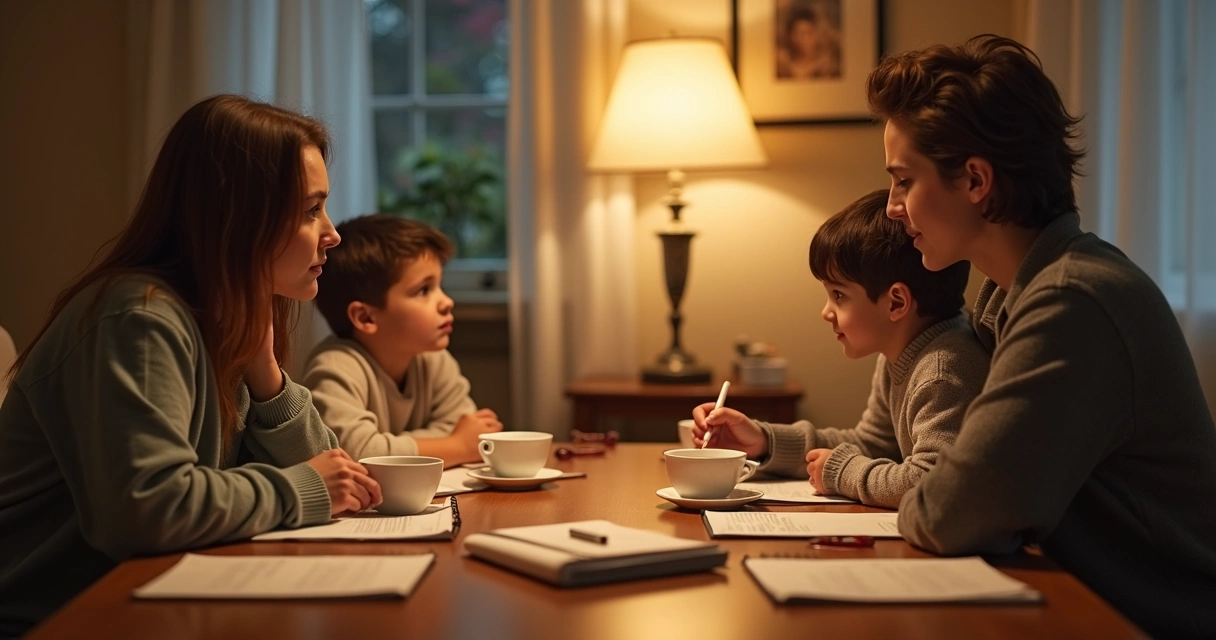
7. Set values for how your home handles emotion
Every home has emotional rules, even when they are unspoken. In some homes, anger is loud. In others, sadness is hidden. In others, no one says what they need. Emotional agility grows when we bring these patterns into the open and choose better ones.
We can ask together, "How do we want to handle emotion here?" The answers might include:
We tell the truth without insults.
We can ask for space without punishment.
We come back after conflict.
We do not mock feelings.
Write these down if that helps. Keep them visible. A home becomes steadier when values are practiced in the middle of ordinary stress, not only spoken during calm weekends.
Conclusion
Emotional agility at home is built in daily moments. In the breath before a reply. In the honesty of naming a feeling. In the courage to repair after a hard exchange. We do not need a perfect household to begin. We need willingness, repetition, and a little humility.
If we practice these seven ways with patience, home can become a place where emotion is neither feared nor denied. It becomes a place where feelings are welcomed, shaped, and guided with care. That changes how we live together. It also changes how we live within ourselves.
Frequently asked questions
What is emotional agility at home?
Emotional agility at home is the ability to notice feelings, accept them without denial, and choose responses that match our values. It helps family members speak with more clarity, react with less impulse, and recover better after tension.
How can I teach kids emotional agility?
We can teach kids emotional agility by modeling it first. We name our own feelings, show healthy pauses, ask curious questions, and repair after mistakes. We can also help children build a simple feeling vocabulary and remind them that all emotions are allowed, even if not all behaviors are.
Why is emotional agility important for families?
It helps families handle stress, conflict, change, and disappointment with less harm. When people at home can understand and regulate emotion, trust grows. Communication becomes clearer, and daily life feels more stable.
What are simple ways to start emotional agility?
We can start small. Name one feeling each day, pause for three breaths before tense replies, and ask one curious question during conflict. A brief evening check-in can also help. Simple actions repeated often build strong emotional habits.
Can emotional agility reduce family stress?
Yes, it can reduce family stress because it lowers reactivity and improves repair. Stress does not disappear, but it becomes easier to manage. When people feel heard and can regulate their responses, the home atmosphere usually becomes calmer and safer.